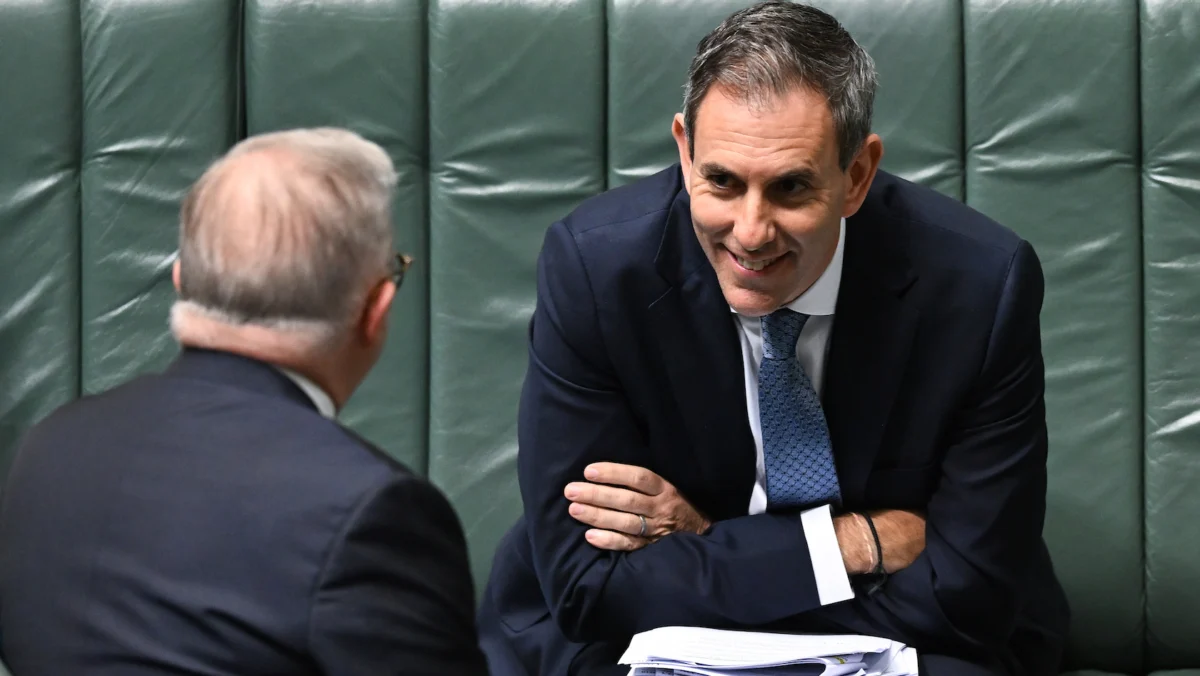
The Australian startup ecosystem is currently navigating a period of intense regulatory recalibration. Following months of friction between the tech sector and the federal government, the Albanese administration has moved to soften its proposed capital gains tax (CGT) concessions. This pivot, reflected in the newly introduced Treasury Laws Amendment (Tax Reform No. 4) Bill 2026, represents a strategic retreat by Treasurer Jim Chalmers, who has sought to balance the government’s fiscal objectives with the urgent need to preserve Australia’s global competitiveness in innovation.
While the revised legislation offers a more flexible pathway for founders and investors, it has not silenced the critics. Tensions remain high regarding cuts to the R&D Tax Incentive, and with the bill now entering the Senate’s complex political arena, industry participants are bracing for further "horse-trading" that could fundamentally alter the final legislative outcome.
The Evolution of the Startup Tax Regime: A Chronology
The journey toward the current iteration of the tax reform has been characterized by a distinct "push-and-pull" dynamic.
- May 2026: The federal budget introduced several sweeping measures aimed at tightening the tax system. Within the startup community, the initial announcements were met with widespread alarm. Critics argued that the proposed thresholds for CGT concessions were overly rigid and threatened to stifle early-stage investment.
- June–August 2026: In response to the backlash, the Treasury initiated two rounds of consultations. These forums became a battleground for lobbyists, venture capitalists, and policy experts who argued that the government’s original draft risked driving capital away from Australian-based innovation.
- September 2026: Following intense pressure, Treasurer Jim Chalmers signaled a willingness to refine the draft laws. The tech sector pushed for a broader definition of "innovation" and better protection for legacy shareholders.
- October 2026: The Treasury Laws Amendment (Tax Reform No. 4) Bill 2026 was formally introduced to Parliament. The bill includes revised, more lenient thresholds for innovation activity and mechanisms intended to shield existing shareholders from the dilutive effects of corporate maturation.
Lowering the Bar: Key Changes to CGT Concessions
The government’s primary concession involves the lowering of "innovation activity thresholds." Previously, the qualifying criteria for startups to access CGT relief were perceived as narrow, focusing heavily on a binary definition of high-growth technology.
Under the revised framework, the government has adopted a more nuanced approach. By easing these requirements, more startups—particularly those in "deep tech" or sectors with longer commercialization horizons—are now likely to qualify for tax relief. This is a significant win for industry advocacy groups who argued that the original bill failed to account for the unique operational realities of Australian startups.
Furthermore, the bill introduces a "safe harbor" pathway for existing shareholders. As companies mature and undergo multiple rounds of funding, the risk of capital dilution often triggers tax events that penalize early supporters. The new legislation provides a mechanism to protect these shareholders, ensuring that the tax system does not inadvertently punish the long-term commitment of angel investors and seed-stage venture firms.
R&D Cuts and the "Bite" of Fiscal Restraint
Despite the improvements to CGT policy, the broader fiscal climate remains challenging. The Tax Reform No. 4 Bill also formalizes changes to the R&D Tax Incentive (RDTI). For many in the startup sector, these changes are a point of contention.
While the government characterizes these adjustments as a necessary "streamlining" of tax expenditures, critics suggest they represent a reduction in the total support available for domestic R&D. The R&D Tax Incentive has long been the backbone of the Australian startup ecosystem, providing a vital cash-flow mechanism for companies struggling to reach profitability.
Data from the startup sector indicates that even minor adjustments to the R&D threshold or the eligibility criteria for "eligible expenditure" can have a disproportionate impact on small-to-medium enterprises (SMEs). When combined with the high cost of talent and the current economic volatility, these cuts are seen by many as a "bite" into the R&D capacity of the next generation of Australian unicorns.
Data and Economic Implications
To understand the stakes, one must look at the data. Australia’s venture capital market has seen a period of rapid growth over the last five years, but it remains highly sensitive to tax policy.
- Investment Velocity: Historically, periods of tax instability correlate with a 15–20% decrease in early-stage investment velocity.
- The "Brain Drain" Factor: Industry reports consistently show that if Australian tax policy lags behind international jurisdictions (such as the UK or Singapore), the probability of "flipping" a company—moving the headquarters and IP overseas—increases by nearly 30%.
- Fiscal Impact: The Treasury maintains that the reforms are revenue-neutral over the medium term. However, proponents of the startup sector argue that the long-term economic gains from a thriving innovation ecosystem far outweigh the short-term revenue protection sought by the Treasury.
The Senate Horizon: Horse-Trading and Political Uncertainty
The introduction of the bill to the House of Representatives is merely the first act of this legislative drama. Because the Albanese government does not hold an outright majority in the Senate, the final form of the bill will be determined by negotiations with the Greens and independent crossbenchers.
This "horse-trading" introduces a layer of unpredictability. Crossbench senators have already expressed interest in tying the tax relief to specific sustainability or regional employment outcomes. For the startup sector, this creates a "wait and see" environment. Investors are hesitant to finalize deals until the legislative framework is set in stone.
Industry insiders note that the current version of the bill is a "compromise document." While it addresses the most glaring flaws of the initial May budget proposals, it remains a work in progress. Senate amendments could either strengthen the bill by expanding support for green tech startups or weaken it by adding layers of administrative compliance that many founders are ill-equipped to manage.
Perspectives from the Ecosystem
The response from the tech community has been one of "cautious optimism." Leaders within the Venture Capital (VC) community have praised Treasurer Chalmers for his willingness to engage in dialogue, noting that the inclusion of feedback from two rounds of consultation is a rare and welcome development in Australian fiscal policy.
However, the "wait and see" sentiment prevails. Founders are acutely aware that the legislative process is far from over. The primary concern is not just the content of the law, but the certainty of the law. Startup founders require a stable, predictable tax environment to plan for the next five to ten years of development. Frequent "tweaks" and revisions—even when they are improvements—can create a climate of hesitation.
Conclusion: The Path Forward
The Treasury Laws Amendment (Tax Reform No. 4) Bill 2026 is a litmus test for the Albanese government’s relationship with the innovation sector. By easing CGT restrictions, the government has demonstrated that it is listening to the feedback of industry leaders and is willing to iterate on policy to support economic growth.
Yet, the lingering concerns regarding R&D funding and the unpredictable nature of Senate negotiations underscore the fragility of this progress. As the bill moves toward a vote, the startup sector remains a key stakeholder in a much larger debate about the future of the Australian economy.
The ultimate success of these reforms will not be measured by the text of the bill itself, but by the tangible impact it has on the ground: the ability of a startup to secure funding, the capacity of a founder to retain talent, and the willingness of investors to back high-risk, high-reward ventures in an increasingly competitive global landscape. Whether this bill serves as a catalyst for growth or a source of further uncertainty will depend on the final, delicate negotiations in the weeks ahead.