Despite persistent narratives regarding the decline of social media engagement and the shifting preferences of Generation Z, Facebook remains a titan of the digital advertising ecosystem. With a staggering 2.93 billion monthly active users, the platform offers an unparalleled scale for businesses ranging from local boutiques to global enterprises.
For digital marketers and brand strategists, the question is no longer whether Facebook is relevant, but how to master its sophisticated suite of advertising tools. In this comprehensive analysis, we examine why Facebook continues to command the lion’s share of digital marketing budgets and how top-tier brands are leveraging its diverse formats to drive measurable results.
The Main Facts: Why Facebook Remains Essential
The primary value proposition of Facebook is its sheer, undeniable reach. Recent industry data indicates that Facebook advertisements reach approximately 42.8% of all global internet users. This reach is not merely wide; it is deeply granular. Through Meta’s Ads Manager, marketers are granted access to a level of campaign customization that remains the industry benchmark.
Whether a brand is focused on brand awareness, lead generation, or driving direct e-commerce sales, the platform provides the infrastructure to build custom audiences, execute precise demographic targeting, and perform rigorous A/B testing. This granular control allows businesses of any size to optimize their return on ad spend (ROAS) by delivering the right message to the right person at the optimal moment.
Chronology of Ad Evolution: From Simple Feeds to Immersive Experiences
To understand the current state of Facebook advertising, one must view it as a chronological evolution of user experience:
- The Early Era (2007–2012): Advertising was largely confined to static sidebar banners with limited targeting capabilities.
- The Mobile Pivot (2013–2016): With the explosion of smartphone adoption, Facebook transitioned into a mobile-first platform. This led to the introduction of "Native Ads," which blended seamlessly into the news feed.
- The Format Expansion (2017–2020): Recognizing the need for storytelling, Facebook introduced Carousel ads, allowing brands to showcase multiple products or features within a single unit.
- The Immersive Era (2021–Present): With the rise of Stories and Reels, the focus has shifted toward full-screen, vertical, and ephemeral content that prioritizes authenticity over high-production polish.
Supporting Data: The Anatomy of Success
The effectiveness of Facebook advertising is backed by years of performance metrics. However, data alone is not a strategy. By analyzing 15 distinct examples of high-performing ads, we can distill the tactics that drive conversion.

Case Studies in Image Ads
Image ads remain the bedrock of Facebook advertising.
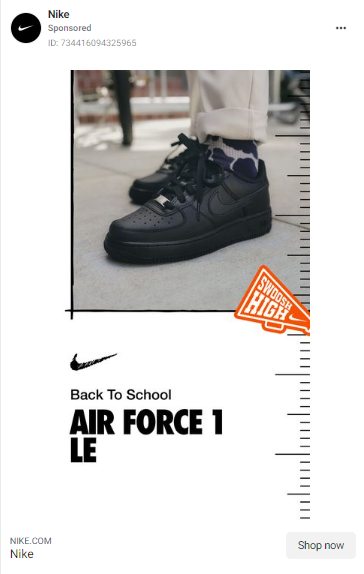
- Nike: By positioning their "Air Force 1" line within a seasonal "Back to School" campaign, Nike demonstrates the power of contextual relevance. They do not just sell a shoe; they sell a specific lifestyle moment.
- Spotify: Their promotion of Drake’s Certified Lover Boy highlights the importance of high-contrast visuals and recognizable cultural iconography to drive immediate brand recall.
- Shopify: By focusing on the aspiration of entrepreneurship, Shopify uses emotional storytelling rather than just technical feature listing.
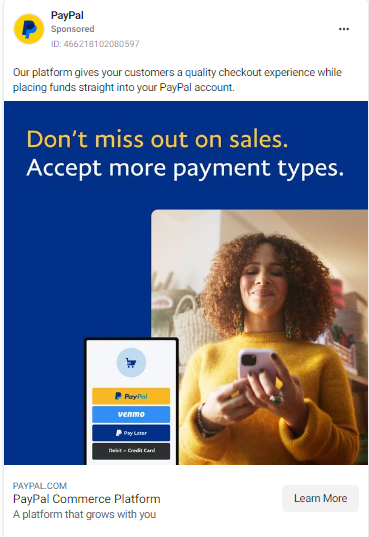
- PayPal: Their shift toward highlighting expanded payment types proves that established brands must constantly educate their user base on new utilities.
- Salesforce: The use of a "CRM Handbook" as a lead magnet highlights the effectiveness of gated content for B2B lead generation.
Mastering Carousel Ads
Carousel ads allow for a multi-layered narrative.

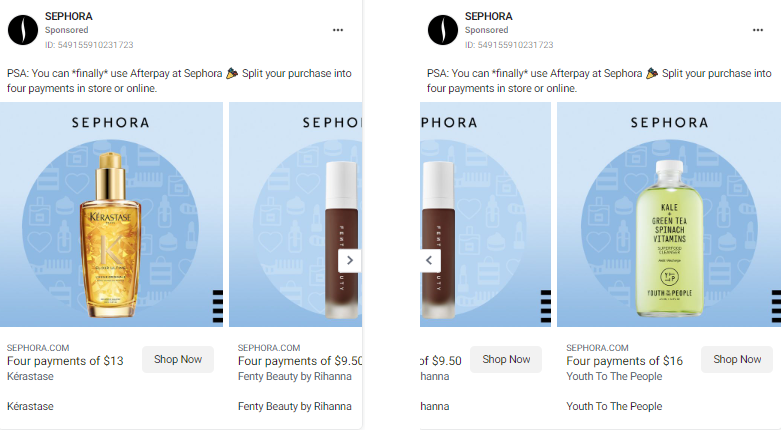
- Sephora: By showcasing "Afterpay" within their carousel, they address friction at the point of sale, proving that ads can serve as functional education tools.
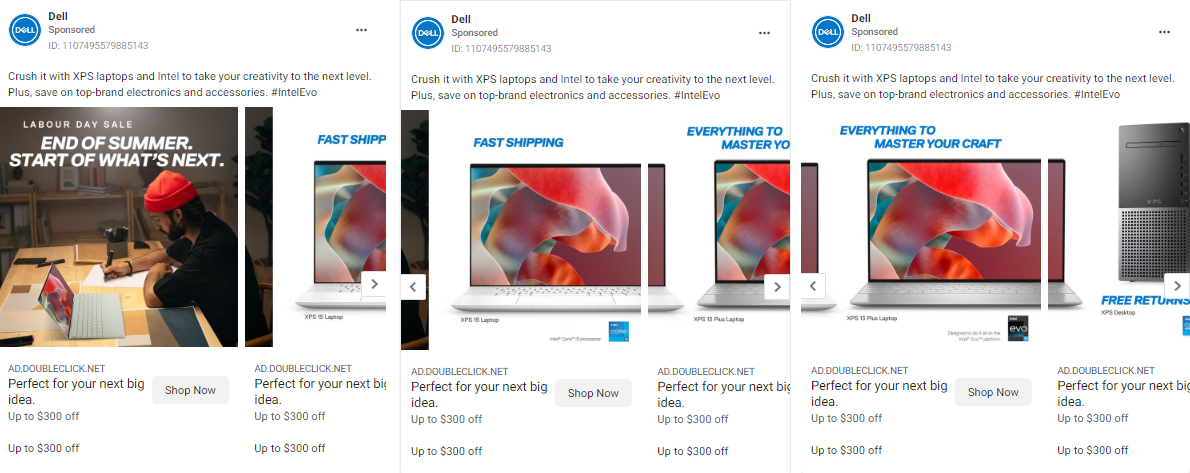
- Dell: Utilizing Labour Day discounts, Dell leverages urgency and scarcity, classic psychological triggers that compel users to act during specific timeframes.
- Cider & Bayrite: Both brands utilize the carousel to act as a digital storefront. By offering direct discounts (e.g., Bayrite’s 20% off offer), they shorten the path to purchase.
- Yoga International: They focus on "crushing goals," proving that ads performing best are those that frame the product as a solution to a personal desire.
The Rise of Storytelling: Stories Ads
- Udemy & Coursera: These platforms dominate the e-learning space by showcasing the immediate benefit of upskilling.
- Authority Hacker: Their focus on a specific, high-value outcome (ranking websites) demonstrates the power of niche authority.
- Bolt Food & IDP Nigeria: Both companies use strong, incentive-driven CTAs. Whether it’s an app install incentive or a sign-up for an educational talk, the ad acts as a direct bridge to a specific conversion goal.
Official Perspectives and Industry Implications
Industry experts and Meta’s own research consistently emphasize that the "creative" is the new "targeting." As privacy regulations (such as Apple’s App Tracking Transparency) have made third-party data collection more difficult, the success of a campaign now rests heavily on the quality of the ad creative itself.
The Implications for Marketers
- The Shift to First-Party Data: Brands can no longer rely solely on Facebook’s pixel to do the work. They must leverage their own customer lists to create "Lookalike Audiences" within the platform.
- Creative Diversification: Marketers must test static images against video and carousels. The algorithm favors advertisers who provide a variety of formats, as it allows the system to determine which creative resonates with which user segment.
- The Mobile-First Mandate: With nearly 99% of Facebook users accessing the platform via mobile, ads that are not vertically optimized or are cluttered with small text will inevitably fail.
Best Practices: Crafting the Perfect Ad
For those looking to optimize their next campaign, consider these foundational pillars:
1. Scroll-Stopping Visuals
Your ad has less than two seconds to stop a user’s thumb. Use bold colors, human faces (which have been shown to increase engagement), and clear, high-resolution imagery. Avoid cluttered designs that look like traditional corporate brochures.
2. The Power of Conciseness
Mobile users do not read long-form essays. Keep your copy under two sentences. If you have a complex offer, put the "hook" in the first line and the "value proposition" in the second.

3. Frictionless CTAs
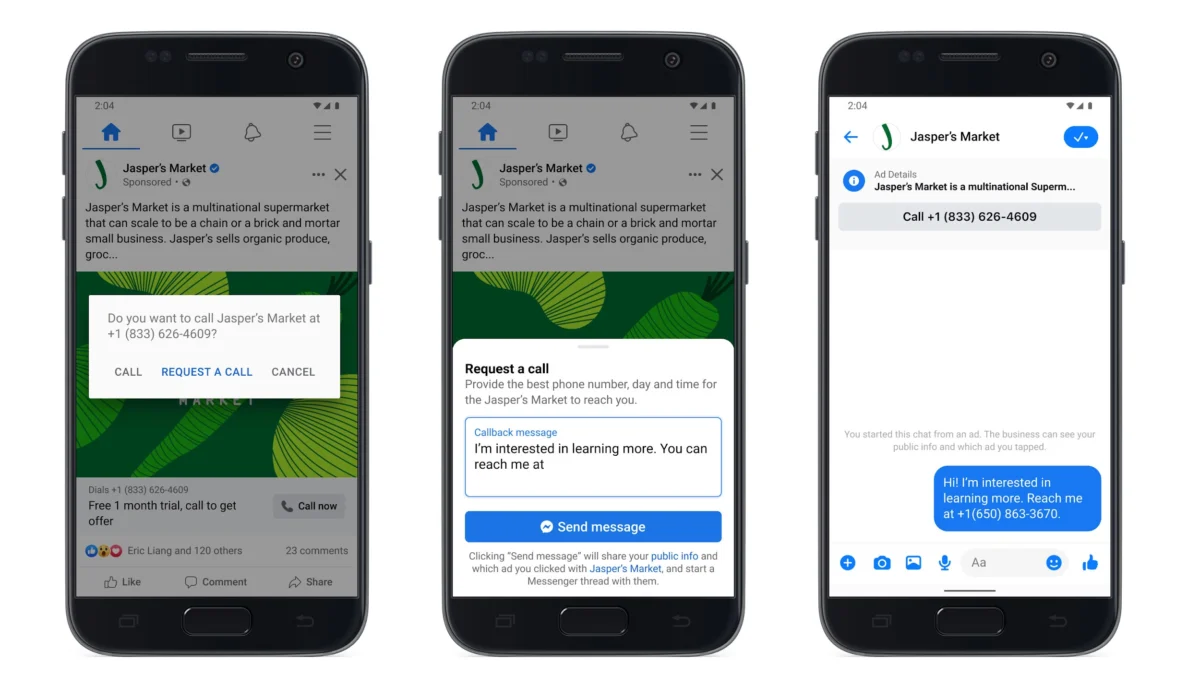
Ensure your call-to-action button is clear and aligns with the intent of the ad. Phrases like "Sign Up," "Learn More," or "Shop Now" should be used based on the stage of the marketing funnel you are targeting.
4. Intelligent Targeting
Targeting is not about reaching the most people; it is about reaching the right ones. Use "Interest-based" targeting to find people who have engaged with similar brands, and refine this with "Retargeting" to capture users who visited your site but did not convert.
Conclusion
Facebook’s evolution into a sophisticated advertising engine is far from over. As the platform integrates more AI-driven automation, the role of the marketer is shifting from manual data entry to creative strategy. By focusing on scroll-stopping visuals, concise messaging, and mobile-first design, brands can continue to extract immense value from the world’s largest social network.
The data is clear: Facebook remains a critical piece of the modern marketing puzzle. Whether you are launching a new product, building a community, or driving B2B leads, the tools are available—the only variable that remains is your creativity.
To manage your campaigns effectively, consider utilizing integrated solutions like Hootsuite Social Advertising, which allows for the planning, monitoring, and analysis of both organic and paid efforts from a single dashboard. In an era of fragmented attention, centralization is the key to maintaining a competitive edge.