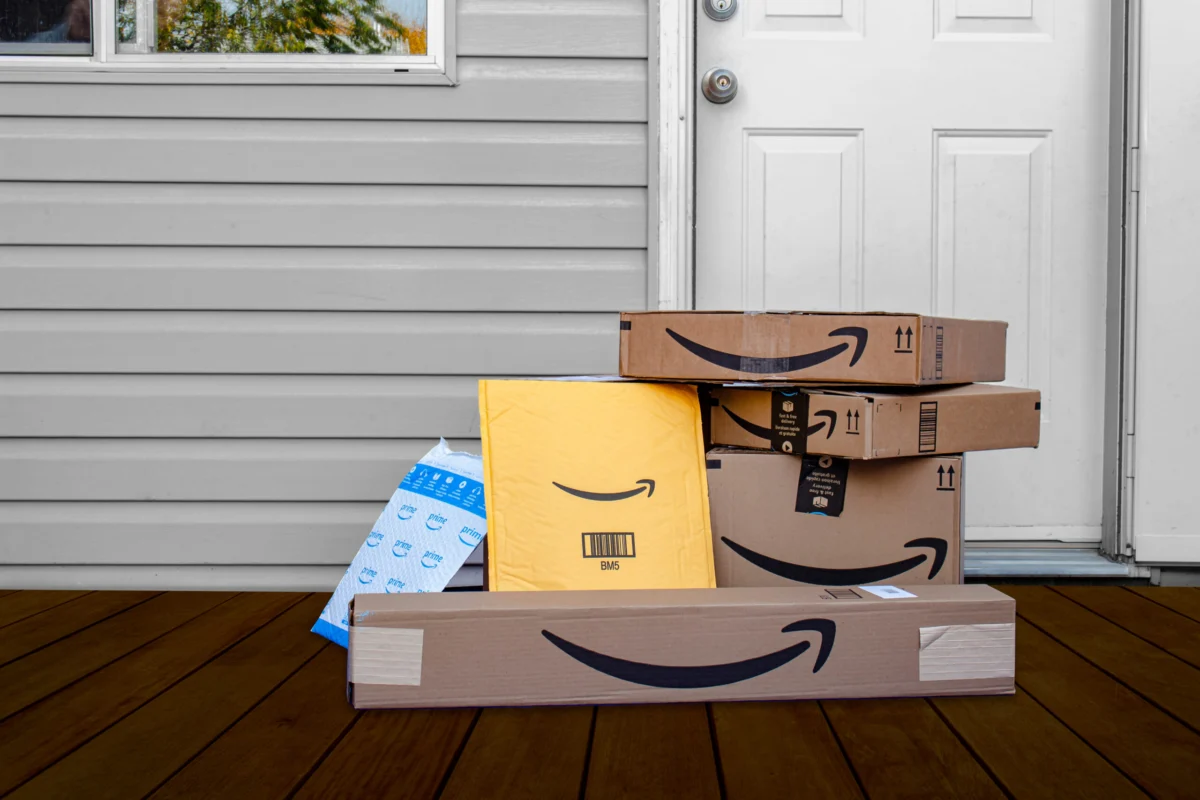
The landscape of American e-commerce witnessed a significant shift in October 2026 as Amazon’s "Prime Big Deal Days" cemented its status as an indispensable pillar of the retail calendar. Held on October 6 and 7, the two-day event did more than just clear inventory; it signaled a robust start to the critical fourth-quarter shopping season. According to fresh data released by Adobe Analytics, the event generated a staggering $9.86 billion in online spending across U.S. retailers, marking an 8.5% year-over-year increase that exceeded both market expectations and the performance of the 2025 iteration.
As retailers navigate an increasingly complex economic environment, this surge in consumer activity—fueled by strategic discounting and the widespread adoption of flexible payment technologies—provides a vital blueprint for the upcoming holiday rush.
The Core Data: E-commerce Growth and Momentum
The 2026 iteration of Prime Big Deal Days, which fell on a Tuesday and Wednesday, surpassed the performance of the October 7–8 event in 2025, which saw $9.09 billion in total online spending. The 8.5% growth rate represents a healthy acceleration over the 7.3% growth recorded the previous year, suggesting that consumers are becoming increasingly comfortable with mid-autumn "early access" sales events.
Adobe’s analysis is derived from a massive dataset, encompassing more than 1 trillion visits to U.S. retail sites, 100 million Stock Keeping Units (SKUs), and 18 distinct product categories. This comprehensive view highlights a broader trend: while Amazon serves as the primary catalyst for this spending, the "halo effect" extends to the wider ecosystem. Many of the Top 2000 largest online retailers, which collectively accounted for over $836 billion in e-commerce sales in 2025, strategically aligned their promotions with Amazon’s window to capture the heightened consumer intent.
A Chronological Breakdown of the Event
The timing of the event—occurring in the first week of October—was a deliberate strategic maneuver.
- Pre-Event Anticipation (Early October 2026): Retailers began teasing discounts as early as the first of the month, aiming to prime the market for the main event.
- The Launch (October 6, 2026): As the virtual doors opened, traffic surged across mobile and desktop platforms. Early morning data indicated a shift toward high-ticket electronics, as shoppers sought to secure "doorbuster" deals on premium goods.
- The Mid-Point (October 7, 2026): As the event entered its final hours, conversion rates intensified. Analytics showed a pivot toward "seasonal essentials," with a marked increase in Halloween-related purchases, indicating that consumers were using the sale to bundle their holiday shopping with immediate October needs.
- The Aftermath: By the end of the second day, the total spend of $9.86 billion confirmed that the "October Prime Effect" has successfully moved the needle on holiday budget allocation, pulling spend forward by several weeks compared to traditional mid-November timelines.
Supporting Data: Product Performance and Consumer Behavior
The depth of the discounts—peaking at 20% off listed prices—was a significant driver of this year’s success. Adobe reported that the most aggressive discounting occurred in computers, televisions, electronics, toys, and apparel.
Category-Specific Spikes
The data reveals a dramatic shift in purchasing behavior compared to the average baseline seen in September 2026:
- Electronics: Overall electronics sales spiked 85%. Within this segment, headphones and speakers led the charge with a 300% increase, followed by smartwatches (up 255%), cameras (up 135%), and smartphones (up 130%).
- Entertainment and Toys: Toy sales saw a massive 158% increase, while video game sales rose 90%, reflecting early holiday gift-buying.
- Personal Care: This category saw a 73% boost, suggesting that shoppers are utilizing sales to stock up on daily necessities as well as discretionary items.
- Seasonal Surge: The proximity to October 31 created a unique tailwind. Costume sales exploded by 610%, while candy purchases grew by 180%, proving that Prime Big Deal Days has become a catch-all event for both immediate and future needs.
The Role of Mobile and Buy Now, Pay Later (BNPL)
The mechanics of how consumers spent their money in 2026 highlights two major technological trends: the ubiquity of mobile shopping and the democratization of credit through Buy Now, Pay Later services.
The Mobile-First Consumer
Mobile devices accounted for 52.0% of all online sales during the event, totaling approximately $5.1 billion. This 12.8% year-over-year increase confirms that the smartphone has become the primary gateway for deal-hunting. Retailers that failed to provide a seamless mobile checkout experience likely saw a direct impact on their conversion rates during the two-day window.
The BNPL Revolution
Buy Now, Pay Later (BNPL) services played a critical role in facilitating these transactions. BNPL was responsible for 6.0% of all online orders, equating to $692.3 million in sales—a 4.0% increase over the previous year.
Analysts suggest that the rise of BNPL is a defensive mechanism for the consumer, allowing them to participate in high-volume sales events without the immediate pressure of full-price payment. Looking ahead, Adobe projects that the influence of these services will continue to grow, estimating that BNPL will drive more than $1 billion in spending specifically on Cyber Monday, which falls on November 30, 2026.
Official Perspective and Market Implications
The data suggests that we are witnessing a permanent structural change in the retail calendar. By creating a high-energy sales event in early October, Amazon has successfully "de-risked" the fourth quarter, distributing consumer spending across a longer timeframe rather than concentrating it solely in the traditional Black Friday/Cyber Monday window.
Retailer Strategy
For the broader retail industry, the implications are clear: the "pre-holiday" period is no longer a soft launch; it is a critical revenue driver. Adobe’s analysts believe this activity will force retailers to invest in even earlier pre-holiday promotions to remain competitive. Those who do not engage in these mid-autumn promotions risk losing "share of wallet" before the traditional gift-giving season even begins.
The Competitive Landscape
Amazon’s dominance remains unchallenged in terms of scale. As the No. 1 ranked retailer in Digital Commerce 360’s Top 2000 Database and a major player in the Global Online Marketplaces Database, Amazon effectively sets the "price floor" for the rest of the industry. Competitors are increasingly forced to follow the Amazon rhythm, creating a synchronized retail ecosystem that keeps consumers engaged from early October through the end of the year.
Conclusion: Preparing for the Cyber Week Climax
As the industry turns its eyes toward the upcoming holiday season, the 2026 Prime Big Deal Days serve as a bellwether for consumer sentiment. Despite economic headwinds and shifting inflationary pressures, the American consumer has demonstrated a resilient appetite for value.
The success of this October event suggests that the holiday season will be defined by strategic, early-bird purchasing. With mobile adoption hitting record highs and BNPL services lowering the barrier to entry for high-ticket items, retailers who maintain agility and focus on customer-centric digital experiences are positioned for a strong finish to the year.
As we look toward the November 30 Cyber Monday deadline, the data points to a highly competitive, data-driven environment where the winners will be those who best anticipate the needs of a mobile-first, value-conscious shopper. For those entities currently operating within the retail space, the call to action is clear: monitor the data, optimize the checkout experience, and prepare for a season where every day is a potential "deal day."