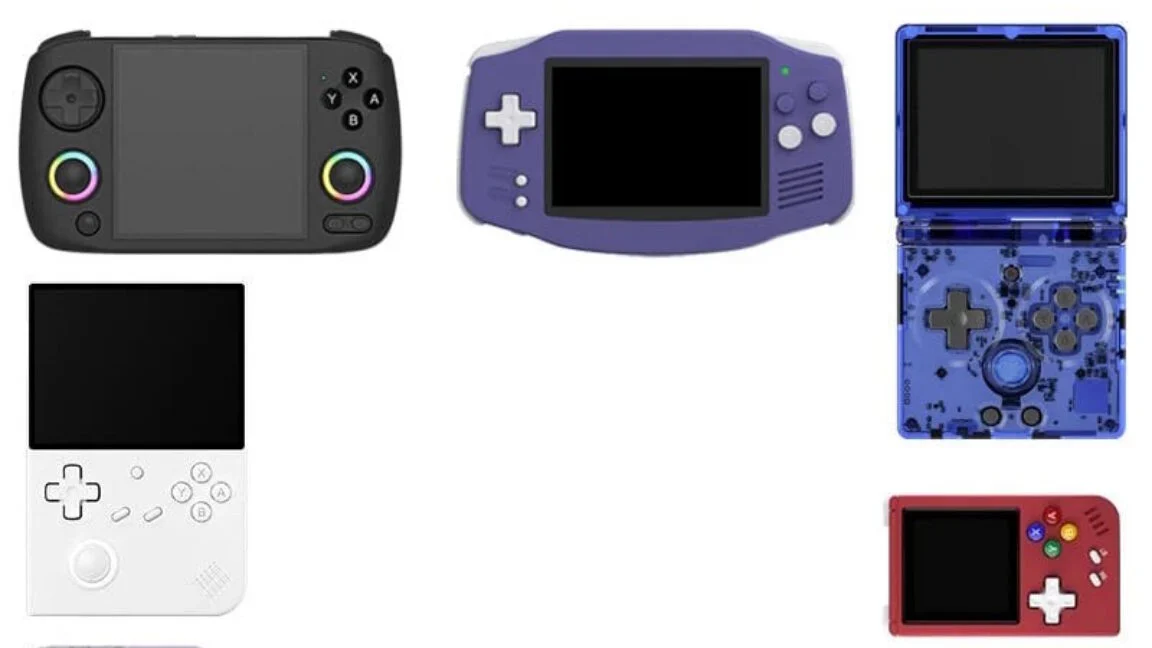
For years, the handheld gaming landscape has been defined by a quiet, often overlooked, sub-industry: the proliferation of Chinese-manufactured Android-based devices designed for retro emulation. From the pocketable Game Boy clones to powerful, modern streaming handhelds, these devices have become a staple for hobbyists, collectors, and enthusiasts looking to revisit the golden age of gaming. However, the ecosystem that sustains this niche is now facing an existential threat.
The Entertainment Software Association (ESA)—the powerful trade body representing the titans of the gaming industry, including Nintendo, Microsoft, Sony, and Ubisoft—has officially petitioned the United States Trade Representative (USTR) to designate Anbernic, a leading manufacturer in the space, as a "Notorious Market." This formal request marks a significant escalation in the industry’s long-standing war against intellectual property (IP) theft, signaling that the era of "looking the other way" regarding retro emulation hardware may be coming to a decisive end.
The Core of the Conflict: Defining "Notorious Markets"
The USTR’s "Notorious Markets" list is a prestigious, albeit infamous, annual report that identifies online and physical marketplaces that engage in or facilitate substantial copyright piracy or trademark counterfeiting. While the designation itself does not carry the weight of a direct court injunction, it serves as a powerful diplomatic and economic tool. It acts as a global "red flag," encouraging foreign governments to bolster enforcement and alerting international stakeholders to companies that, in the view of the US government, are operating in bad faith.
The ESA’s petition, first highlighted by TorrentFreak, argues that Anbernic has crossed the line from a hardware manufacturer to a facilitator of mass-scale piracy. The core of the complaint lies not necessarily in the hardware itself—which can technically be used for legitimate purposes like running homebrew games—but in the "value-add" that has become standard in the secondary market: the inclusion of thousands of pirated, copyright-protected titles.
Chronology of a Growing Friction
The tension between retro-handheld manufacturers and IP holders has been simmering for over a decade. The chronology of this conflict reveals a shift from fringe hobbyism to a commercialized threat:
- 2015–2018: The Emulation Renaissance: As chipsets became more efficient and affordable, companies like Anbernic began releasing dedicated Linux and Android handhelds. Initially, these were marketed primarily to niche forums and tech-savvy hobbyists.
- 2020–2022: The Pandemic Boom: With global lockdowns, the demand for retro gaming hardware skyrocketed. Retailers on platforms like AliExpress and Amazon began bundling these devices with "pre-loaded" SD cards containing thousands of classic games from the NES, SNES, PlayStation, and N64 eras.
- 2023–2025: The Rise of "Superfakes": As hardware quality improved, the devices began to resemble polished, high-end consumer electronics. The ESA began observing that these devices were no longer "DIY projects" but slick, commercialized products that effectively sold pirated libraries as a built-in feature.
- August 2026: The ESA formally submits its petition to the USTR, requesting the inclusion of Anbernic on the Notorious Markets list, arguing that these devices normalize hardware-based piracy.
The "Superfake" Argument: Why the ESA is Escalating
The most intriguing aspect of the ESA’s filing is the use of the term "superfake." In industry parlance, a superfake is usually a high-quality counterfeit product that is nearly indistinguishable from the original. By applying this label to Anbernic’s hardware, the ESA is attempting to reframe the debate. They are arguing that these handhelds are not just "emulation tools," but delivery mechanisms for illicit content that undermine the legitimate digital storefronts of their members.
The ESA’s filing notes: "Anbernic devices are routinely offered or shipped with removable memory cards preloaded with hundreds or thousands of unauthorized copies of copyright-protected video games published by ESA members."
While Anbernic, when selling directly from its official website, often avoids pre-loading these cards to maintain a veneer of legality, the ESA points out that the vast majority of these units reach consumers through third-party retail channels that actively market the "thousands of games included" as a primary selling point. The trade group argues that by creating a product specifically designed to accommodate these massive libraries, Anbernic is knowingly facilitating the distribution of stolen intellectual property on a commercial scale.
Supporting Data: The Scale of the Infringement
The economic argument against these devices is rooted in the "lost sale" doctrine. According to market research cited by trade groups, the availability of these "all-in-one" devices significantly lowers the barrier to piracy. A consumer who might otherwise purchase a classic title on the Nintendo eShop or a digital storefront like Steam is, instead, incentivized to purchase a $100 handheld that comes with a "free" library of 10,000 games.
While proponents of emulation argue that many of these titles are "abandonware"—games that are no longer for sale or supported by their original publishers—the ESA maintains that copyright law does not grant a "use-it-or-lose-it" expiration date. For companies like Nintendo, which has built a massive business model around "Nintendo Switch Online" subscriptions featuring legacy content, the unauthorized distribution of their back catalog is seen as a direct threat to their revenue streams.
Official Responses and the Corporate Defense
Anbernic has historically maintained a low profile, rarely issuing official statements regarding the legal status of the software bundled with their hardware. However, the community of users and retailers often defends these devices by pointing to the "hardware-neutral" nature of the tech.
"The device is just a vehicle," says one prominent community moderator in the handheld gaming scene. "If you buy a computer, you don’t blame the manufacturer for the software you install. Why should a handheld console be any different?"
The ESA counters this by highlighting the "polished consumer product" aspect. By selling these devices in boxes with manuals, professional packaging, and sometimes even pre-configured emulators that launch directly into a library of pirated games, the company is not just selling hardware; they are selling a service—the service of pirated entertainment.
Implications: A Looming Section 301 Investigation
What happens if the USTR adds Anbernic to the Notorious Markets list? While there are no immediate legal fines, the consequences are far from trivial:
- Increased Customs Scrutiny: The USTR list serves as a directive for US Customs and Border Protection (CBP). Inclusion on the list often leads to heightened inspections of incoming shipments. For a company that relies on just-in-time shipping from Chinese factories, this could lead to massive delays and increased costs.
- Reputational Damage: Major payment processors and advertising platforms often use the USTR list to determine who they are willing to do business with. Anbernic could find its access to services like PayPal, Stripe, or even Google Ads restricted or terminated.
- The "Section 301" Trigger: The most severe potential outcome is a Section 301 investigation. This provision of the Trade Act of 1974 allows the USTR to take action against foreign countries that fail to protect American IP. If the US government determines that Anbernic’s actions are sanctioned or ignored by the Chinese government, it could trigger trade sanctions, import tariffs, or even a total ban on the importation of these specific devices into the United States.
The Future of Handheld Gaming
The industry is watching this case closely. If the ESA succeeds in its push to list Anbernic, it will set a dangerous precedent for every other manufacturer in the "Retro-Handheld" space, such as Retroid, Miyoo, and Powkiddy.
The core question remains: Can a device designed for emulation exist in the modern legal climate without being considered a tool for piracy? The ESA seems to believe the answer is "no," at least in the current, unregulated state of the market. For the average consumer, this may mean that the days of buying a "ready-to-play" retro console on Amazon are coming to an end. We may be entering a future where hardware is sold strictly as a blank slate, with users forced to navigate the complex, often treacherous, waters of sourcing their own digital libraries—an act that itself remains a legal gray area.
As the USTR reviews the ESA’s request, the gaming world holds its breath. The outcome of this petition will not just affect one company; it will dictate the parameters of how we access, store, and play the history of our favorite medium for years to come. The era of the "Superfake" may be facing its final boss, and the outcome is anything but certain.