The global luxury sector, once considered an impenetrable fortress against economic volatility, is currently facing a sobering reality check. After years of record-breaking growth fueled by post-pandemic euphoria, the industry is entering a period of prolonged stagnation. A confluence of macroeconomic headwinds—ranging from stubborn inflation and weakened consumer sentiment to geopolitical instability—is fundamentally altering the luxury landscape, squeezing out the “aspirational” customer who served as the engine for the sector’s recent success.
Main Facts: The Cooling of an Industry
According to a recent client note from HSBC Global Investment Research, the luxury market is experiencing a sharper deceleration than analysts had previously forecast. While the sector enjoyed a robust 7% organic growth rate in the second quarter of this year, that figure is expected to plummet to less than 3% for the third quarter.
The slowdown is broad-based, affecting a wide spectrum of high-end names. HSBC analysts, led by Anne-Laure Bismuth, have adopted a more cautious outlook, noting that the optimism originally held at the start of September has been eroded by a series of disappointing performance indicators. "We now expect Q3 to be even weaker than initially anticipated," the analysts stated, citing a combination of difficult year-over-year comparisons, stagnant tourism in European hubs, and a pervasive, malaise-like consumer sentiment.
The sector’s projected growth for the full year sits at a modest 5%. However, when the data is stripped of outliers like Cartier-owner Richemont and the Swatch Group, that growth rate shrinks to a meager 3.3%. This disparity underscores a growing divide: while heritage houses and ultra-luxury conglomerates may maintain some level of resilience, the broader market is struggling to find its footing.
Chronology: From Pandemic Excess to Present-Day Malaise
To understand the current slump, one must look back at the trajectory of the last three years. The luxury sector’s current plight is the direct result of a "sugar high" that followed the lifting of COVID-19 lockdowns.
2021–2022: The Consumption Surge
Emerging from the pandemic, consumers were flush with excess savings, bolstered by government stimulus packages and the rapid appreciation of asset values, including equity portfolios and real estate. During this period, the "feel-good factor" was at an all-time high. Consumers, having been confined for months, sought to reward themselves through "revenge spending." This created a surge in consumption that allowed luxury brands to exert unprecedented pricing power. It was a golden era where the demand for high-end goods seemed decoupled from the traditional laws of economic gravity.
2023: The Inflationary Pivot
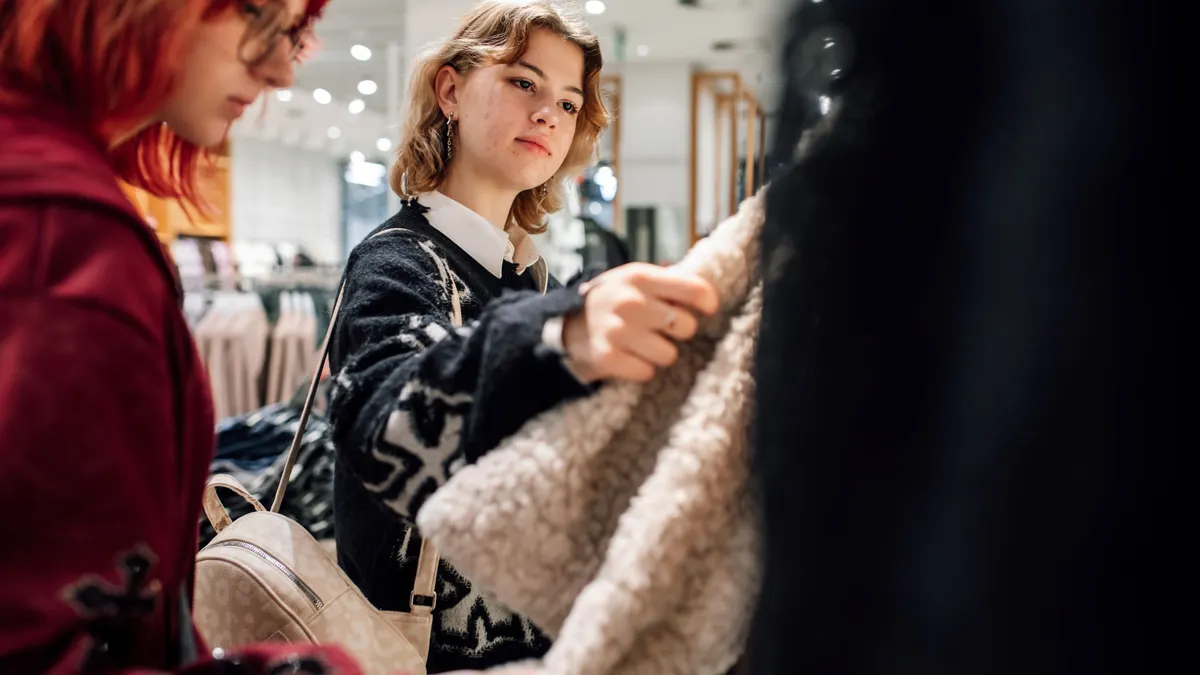
As 2023 progressed, the macroeconomic environment began to shift. Inflationary pressures forced brands to aggressively hike prices to protect their margins. While ultra-wealthy clients remained largely unfazed, the "aspirational" luxury customer—the middle-to-upper-middle-class shopper who buys into the brand image through entry-level luxury items like accessories or fragrances—began to pull back. This segment, which historically has accounted for a massive portion of sector revenue, found their disposable income increasingly eroded by the rising cost of living.
2024: The Reality Check
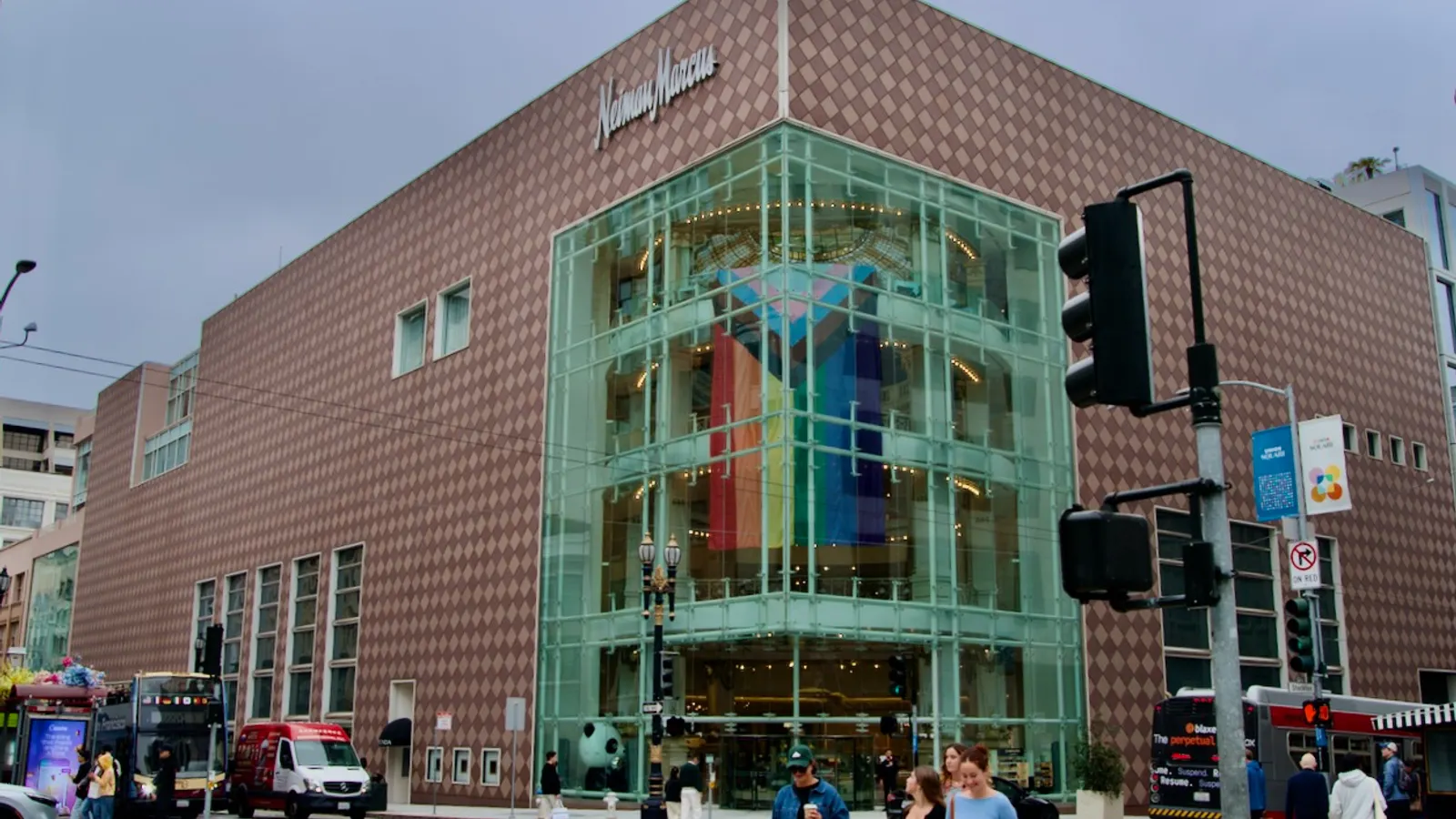
By early 2024, the slowdown was no longer a theoretical risk but a balance sheet reality. The struggles of department store giants served as a canary in the coal mine. Notably, Saks Global—which operates luxury icons like Saks Fifth Avenue, Neiman Marcus, and Bergdorf Goodman—filed for bankruptcy early in the year. While the company emerged from Chapter 11 proceedings six months later, its journey through the process highlighted the structural fragility of retailers overly reliant on a consumer base that has become increasingly price-sensitive.
Supporting Data: Why the Numbers Don’t Lie
The data provided by Janus Henderson portfolio manager Christopher O’Malley and research analyst Louise Singlehurst paints a vivid picture of a market in transition.
- The Aspirational Factor: Aspirational shoppers are the lifeblood of luxury volume. When these customers disappear, the brands lose the "middle" of their revenue pyramid.
- The Richemont Anomaly: Richemont’s projected 13% year-on-year organic growth serves as a reminder that brand equity still matters. However, it is an outlier. The fact that the sector average drops to 3.3% without the "big players" proves that the cooling effect is hitting smaller and mid-sized houses particularly hard.
- Growth Projections: The drop from 7% growth in Q2 to under 3% in Q3 is a statistically significant cliff, suggesting that the "softness" is not a temporary dip but a structural trend that will likely persist into the near term.
Official Perspectives and Expert Analysis
Industry experts are largely in agreement that the current climate is a perfect storm of internal and external factors. HSBC’s analysts have pointedly identified that the "feel-good factor" has evaporated. In their view, consumers are no longer interested in treating themselves to luxury goods, not just because they lack the funds, but because the global outlook feels increasingly uncertain.
The Janus Henderson team emphasizes that the previous growth was artificially propped up by a willingness to "trade up." That behavior has been replaced by a "trade down" mentality or a complete exit from the category. Furthermore, the hope for a V-shaped recovery in 2026 has been dealt a series of blows.
"Optimism for a gradual recovery in 2026 has since been challenged," O’Malley and Singlehurst noted. They specifically point to the U.S.-Iran conflict and broader geopolitical instability as major deterrents to travel and high-end spending. When global consumers are anxious about energy prices and political stability, their appetite for luxury retail diminishes. Simultaneously, the sluggishness of the Chinese market—long the primary engine for global luxury growth—continues to haunt balance sheets across Europe and the United States.
Implications: The Long-Term Outlook for Luxury
The implications of this shift are profound, forcing luxury conglomerates to rethink their strategies.
1. The Death of Aspirational Reliance
Brands that built their business models on the backs of aspirational consumers—selling high volumes of entry-level goods—will need to pivot. This may involve a return to "exclusive" models, where the focus shifts entirely back to the ultra-high-net-worth individual, or a restructuring of their product mix to emphasize long-term investment pieces over trendy, seasonal items.
2. Geopolitical Sensitivity
The luxury sector has traditionally marketed itself as a global, borderless industry. However, the current reliance on tourism in Europe and the demand from China shows that the sector is highly sensitive to geopolitical friction. Brands must now build more regional resilience, perhaps focusing on local, high-net-worth populations rather than relying on the "tourist shopper" to drive quarterly results.
3. Retail Consolidation
The bankruptcy of major luxury department store operators is likely a precursor to further consolidation. In a market where luxury houses are increasingly moving toward a Direct-to-Consumer (DTC) model to protect margins and brand image, third-party retailers will continue to struggle. The "middleman" in the luxury space is facing an existential threat.
4. Pricing Power Limits
The era of blind price hikes is over. While brands previously used inflation as a justification for increasing prices, they have hit a ceiling. Consumers have become more discerning, and there is evidence that the "value-for-money" proposition—however counterintuitive that may seem in the context of luxury—is returning to the conversation.
Conclusion
The luxury sector is currently navigating the difficult transition from a period of excessive, stimulus-driven growth to a more sober, reality-based environment. The "softness" cited by HSBC and the broader concerns voiced by Janus Henderson analysts indicate that the industry is no longer shielded from the pressures facing the rest of the retail world.
As the aspirational consumer retreats, luxury brands are forced to confront a simpler, more difficult market. Success in the coming years will likely be reserved for those who can move beyond the "feel-good" bubble of the early 2020s and offer genuine value, scarcity, and relevance in a world marked by geopolitical uncertainty and economic caution. The luxury boom is not necessarily over, but it is undoubtedly undergoing a painful and necessary evolution.